

Why Rare Citrus Drinks Fail (and How Pasteurization Keeps Yuzu, Calamansi & Bergamot Tasting Fresh)
PRO Engineering / Manufacturing Inc.
This article is presented by PRO Engineering / Manufacturing Inc., a U.S. manufacturer of tunnel and batch pasteurization systems used across the global beverage industry. For decades, PRO has helped beverage producers scale production while protecting flavor, consistency, and shelf life.
Overview Summary
If you’re working with citrus flavors like yuzu, calamansi, or bergamot, you already know they can elevate a beverage fast. They bring a bright, layered taste that stands out right away.
But they also make production more complicated.
These ingredients can introduce microbes, break down under heat, or lose their aroma if they’re not handled properly. That’s where pasteurization comes in.
The goal isn’t just to make the drink safe—it’s to keep the flavor intact while giving it a stable shelf life.
Systems like Tunnel Pasteurizers and Batch Pasteurizers from PRO Engineering / Manufacturing Inc. are designed to do exactly that. They give you control over temperature and timing so you can protect the character of the drink while making sure it holds up in the real world.
Table of Contents
Introduction: Why Rare Citrus Is Taking Off
Why Yuzu, Calamansi, and Bergamot Are Showing Up Everywhere
The Real Production Challenges with Citrus Drinks
Why Pasteurization Matters More Than You Think
Tunnel vs Batch Pasteurization (Which One Makes Sense?)
Equipment Comparison for Citrus Beverages
Market Growth and Why This Trend Isn’t Slowing Down
Frequently Asked Questions
Conclusion
Introduction: Why Rare Citrus Is Taking Off
If you’ve been paying attention to beverage menus lately, you’ve probably noticed something.
It’s not just lemon and lime anymore.
You’re seeing yuzu spritzers. Calamansi drinks. Bergamot teas.
These aren’t just trendy, they’re sticking.
Each one brings something different:
• Yuzu has that sharp citrus bite with a floral edge
• Calamansi feels bright and slightly sweet at the same time
• Bergamot adds a deeper aroma you might recognize from Earl Grey tea
They give drinks a point of difference. That matters right now.
But from a production standpoint, they’re not always easy to work with.
Why Yuzu, Calamansi, and Bergamot Are Showing Up Everywhere
There’s a simple reason these ingredients are gaining traction. People are bored with the same flavors.
Consumers want something new—but not so far out that it feels risky. Rare citrus hits that balance. It’s familiar enough to understand, but different enough to feel premium.
You’ll see these ingredients in:
• sparkling beverages
• functional drinks
• plant-based beverages
• cocktail mixers
They also help brands tell a better story. Saying “yuzu citrus drink” instantly sounds more interesting than “lemon beverage.”
But once you get into production, things change quickly.
The Real Production Challenges with Citrus Drinks
On paper, citrus seems easy. In reality, it can be tricky—especially with these types.
First, there’s acidity.
Yuzu and calamansi are highly acidic, and that can affect how ingredients interact. If you’ve ever seen separation in a citrus drink, you’ve seen this problem in action.
Then there’s microbial risk.
Even acidic beverages aren’t immune. Fresh juice or extracts can carry:
• yeast
• bacteria
• enzymes
If those aren’t controlled, you can end up with:
• off flavors
• carbonation where you don’t want it
• shortened shelf life
And maybe the biggest issue—flavor loss during processing.
Bergamot is a great example. Its aroma is the whole point. Push the heat too high, and that aroma fades fast.
So now you’re balancing three things at once:
• safety
• shelf life
• flavor
That’s where a lot of producers run into problems.
Why Pasteurization Matters More Than You Think
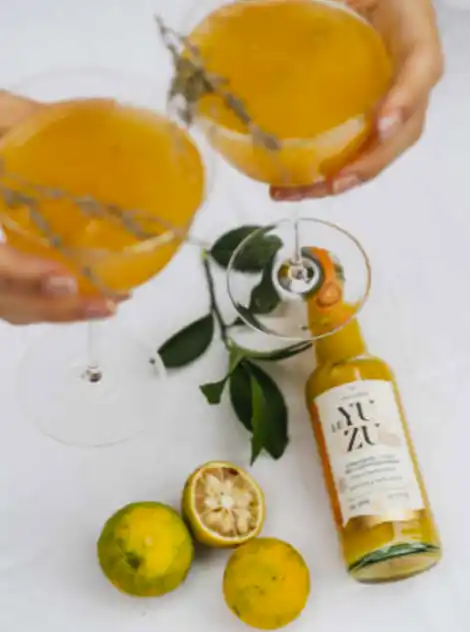
Pasteurization isn’t just a checkbox for beverage safety.
Done right, it’s what makes the product consistent.
The idea is simple: apply enough heat to eliminate harmful microbes—but not so much that you damage the flavor.
That’s easier said than done.
For packaged drinks, many producers rely on Tunnel Pasteurizers. These systems move bottles or cans through controlled temperature zones so every unit is treated the same way.
If you’re running smaller batches or still dialing in your product, Batch Pasteurizers give you more flexibility.
You can adjust your process, test different formulations, and refine your product without committing to large production runs.
As production grows, systems like Large Tunnel Pasteurizers help maintain consistency at scale.
And if space is tight, SlimLine Pasteurizers can fit into smaller facilities without sacrificing performance.
For delicate citrus profiles, especially something like bergamot, Single-Temp Pasteurizers can give you tighter control over the process.
The goal is always the same—protect the drink without flattening it.
Tunnel vs Batch Pasteurization (Which One Makes Sense?)
This comes down to how you’re producing your beverage.
If you’re already packaging at scale, tunnel pasteurization usually makes more sense. It’s consistent, efficient, and built for volume.
You load your product, and every bottle gets the same treatment.
Batch pasteurization is different.
It gives you more control up front, before packaging. That’s helpful if you’re still refining your formula or working in smaller runs.
A lot of beverage companies start with batch systems and move to tunnel systems later.
There’s no one-size-fits-all answer, it depends on where you are in production.
Equipment Comparison for Citrus Beverages
| Beverage Type | Key Ingredients | Production Scale | Recommended PRO System |
| Yuzu Sparkling Drink | Yuzu juice | Small batch | Batch Pasteurizers |
| Calamansi Beverage | Calamansi extract | Mid-scale | SlimLine Pasteurizers |
| Bergamot Tea Drink | Bergamot oil, tea | Small to mid | Single-Temp Pasteurizers |
| Citrus Functional Drink | Citrus blends | High volume | Tunnel Pasteurizers |
| RTD Citrus Line | Mixed citrus | Large scale | Large Tunnel Pasteurizers |
Getting this decision right early can save a lot of headaches later.
Market Growth and Why This Trend Isn’t Slowing Down
This isn’t just a niche trend, part of a bigger shift.
The plant-based beverage market is expected to pass $66 billion in the next several years.
Functional beverages are already well over $175 billion globally.
And within that, global flavors—especially citrus—are growing fast.
Consumers want:
• new flavors
• premium ingredients
• drinks that feel different
Rare citrus checks all those boxes.
For producers, that creates opportunity—but also pressure to get the product right every time.
Frequently Asked Questions
What does yuzu taste like?
It’s bright and tart, like a mix of lemon, lime, and grapefruit, with a slight floral note.
Source: https://en.wikipedia.org/wiki/Yuzu
What is calamansi?
A small citrus fruit used widely in Southeast Asia. It’s sharp but slightly sweet.
Source: https://en.wikipedia.org/wiki/Calamansi
What is bergamot used for?
Mostly known for Earl Grey tea, bergamot adds a distinct citrus aroma.
Source: https://en.wikipedia.org/wiki/Bergamot_orange
Do citrus beverages need pasteurization?
Yes. Even acidic drinks can spoil or ferment if not properly stabilized.
Does pasteurization affect flavor?
It can if not controlled properly. The goal is to use just enough heat to stabilize without damaging flavor.
What system is best for citrus drinks?
It depends on production size—batch for smaller runs, tunnel for larger operations.
How do brands scale citrus beverages?
Most start small with batch systems and move to tunnel pasteurization as demand grows.
References
Wikipedia Category Links
https://en.wikipedia.org/wiki/Category:Citrus
https://en.wikipedia.org/wiki/Category:Beverages
https://en.wikipedia.org/wiki/Category:Food_processing
Conclusion
Rare citrus ingredients like yuzu, calamansi, and bergamot can take a beverage from ordinary to memorable.
But they also raise the bar on production.
If you don’t control the process, you risk losing flavor—or worse, losing product stability.
Pasteurization is what bridges that gap.
With the right setup, you can deliver a drink that tastes the way you intended—and holds up from production to shelf.
About PRO Engineering
That partner is PRO Engineering / Manufacturing Inc. With over 40 years of experience designing and building custom tunnel and batch pasteurization systems, PRO brings world-class engineering right into your production floor.
When you Partner with a PRO, you gain access to:
• Equipment engineered for your beverage’s specific formulation
• Systems that protect flavor, color, and shelf stability
• Hands-on support from installation through optimization
• Options that scale with your business
📞 Call PRO today: 414-362-1500
✉️ Email: sales@prowm.com
📍 Address: 11175 W. Heather Avenue, Milwaukee, WI 53224 USA
Whether you’re launching a new SKU or expanding distribution, it may be time to Partner with a PRO and bring more consistency to your beverage production.
PRO Engineering / Manufacturing Inc. has developed a range of small, medium, and large-sized tunnel & batch pasteurizers to fit the needs of BrewMasters and Beverage Makers. When our customers asked for more compact as well as full-size tunnel pasteurizers, PRO developed models to fit our customers’ needs. Then our customers needed a batch pasteurizer. We now provide batch pasteurizers; PRO is a business that continually innovates to meet customer needs.
For more than 40 years, we have been delivering solutions for beverage product shelf stability and consumption safety.
Edward A. Michalski CEO
Ed Michalski started his career in the beverage industry by designing stainless steel, higher flow, spray headers for Pabst Brewing. Along with the header design he also developed a process to produce the new headers.
Ed, along with his brother David, formed PRO Engineering / Manufacturing Inc. Based on what they learned by re-designing and refurbishing other manufacturers’ pasteurizers, Ed and PRO started to offer the pasteurizer marketplace superior new pasteurizers. PRO Engineering / Manufacturing Inc. has been designing and manufacturing great pasteurizers for over four decades.
For more information on tunnel and batch pasteurization contact PRO Engineering / Manufacturing, Inc. at sales@prowm.com or call (414) 362-1500 and ask for Ed Michalski, CEO.
Partner with a PRO!… PRO Engineering / Manufacturing Inc.
Internal Resources:
