From Local Launch to National Distribution: When Beverage Brands Need Commercial Pasteurization
Retailers Want More Product But Is Your Pasteurization Equipment Ready?
Presented by PRO Engineering / Manufacturing Inc., a leading U.S. maker of tunnel and batch pasteurization systems for the global beverage industry. With decades of experience building energy-efficient, precision-controlled pasteurizers, PRO helps brands scale safely while keeping flavor, quality, and functional integrity intact.
Overview
Most brands launch small-batch production with no issues. But regional and national distribution changes the math. Longer supply chains, higher volume, pickier retailers, tighter consistency, and real shelf-life targets all make validated commercial pasteurization matter more.
Batch pasteurizers give you flexibility early on, while SlimLine and larger tunnel systems let packaged-beverage brands shift into continuous production as they grow.
Table of Contents
- Introduction
- Five Signs You’ve Outgrown Startup Production
- Batch to Tunnel
- Preparing for National Distribution
- Market Growth & Industry Data
- Equipment Comparison
- FAQs
- Conclusion
- Author Bio
Introduction
Selling drinks at farmers markets and independent shops is one thing. Shipping pallets across a dozen states is a whole different animal.
As your distribution grows, you need more than extra capacity. You need repeatability, processing you can count on, solid quality records, and equipment that can keep up with bigger production schedules. Miss any of those, and growth starts working against you.
Five Signs You May Need Commercial Pasteurization Capacity
1. Production Can’t Keep Up If you’re running batch equipment nonstop just to fill the orders you already have, capacity is turning into a wall.
2. Labor per Case Is Climbing As volume rises, all that manual handling adds up. Every extra case starts costing you more than it should.
3. You’re Moving Into Bigger Retailers Larger accounts raise the bar on shelf life, documentation, consistency, and how dependable you are as a supplier. They expect you to deliver, every time.
4. Batch-to-Batch Variation Is Getting Expensive A slight variation of 500 cases is no big deal. That same variation at 50,000 cases becomes a real problem — and a costly one.
5. Growth Is Outrunning Your Capacity Turning down orders because you can’t make enough product is about the clearest sign there is that your equipment strategy needs a fresh look.
From Batch to Tunnel Pasteurization
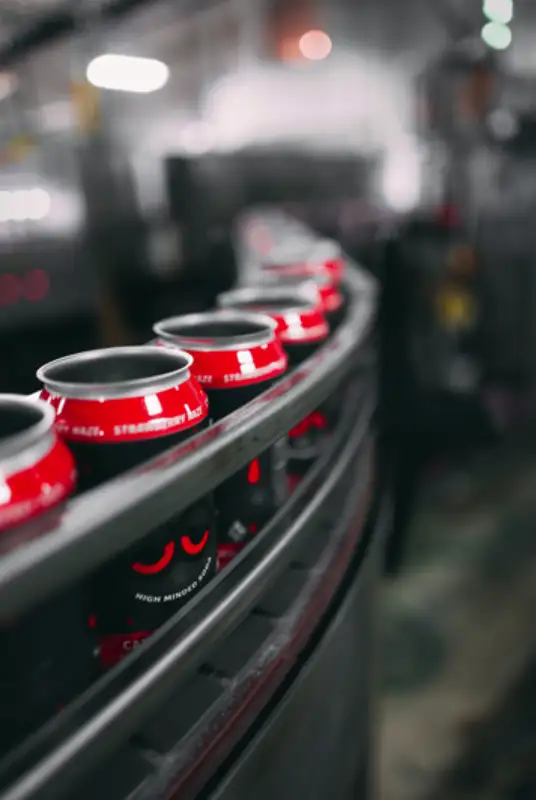
Here’s the good news: going bigger doesn’t mean ditching what works. Batch pasteurization stays useful for R&D, seasonal runs, and lower-volume SKUs even after you add continuous processing.
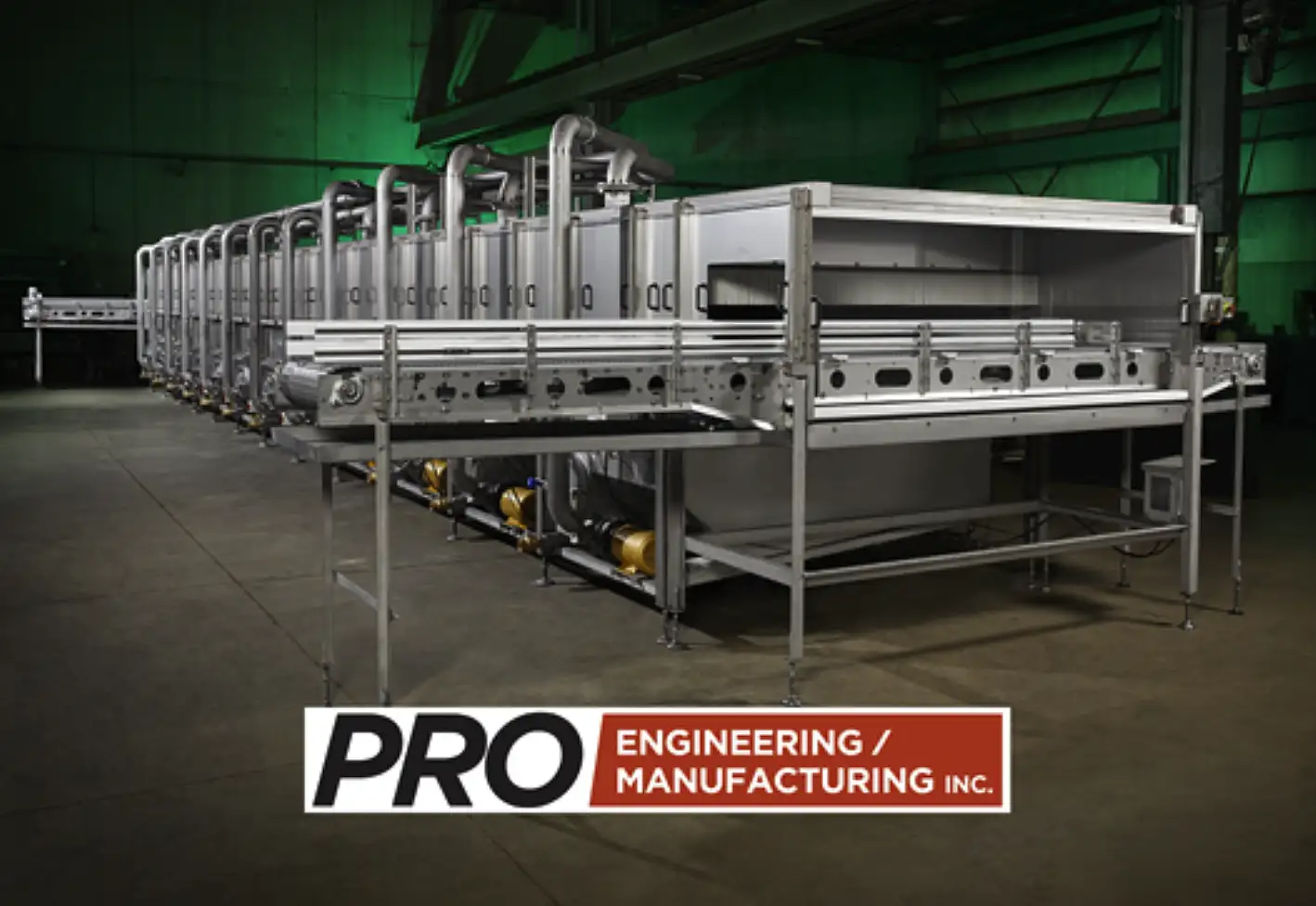
For growing brands, a SlimLine Tunnel Pasteurizer bridges the gap between batch work and full-size continuous systems. And as demand keeps climbing, standard and large tunnel pasteurizers deliver the throughput you need and tie right into automated filling and packaging.
Preparing for National Distribution
National distribution calls for national-scale thinking. That means locking in consistency across every run, keeping documentation clean retailers and regulators can lean on, and proving you can supply reliably, week after week.
The smartest move is to plan your capacity before it becomes an emergency. Brands that map out their pasteurization needs ahead of the crunch avoid scrambling later — and they’re ready to say yes when a big opportunity knocks instead of turning it away.
Market Growth & Industry Data
The opportunity here is big. Grand View Research pegs the global non-alcoholic RTD beverage market at roughly $1.12 trillion in 2026, growing to about $1.44 trillion by 2030.
The broader global non-alcoholic beverage market is forecast to climb from around $1.49 trillion in 2026 to $2.55 trillion by 2033.
For an up-and-coming brand, grabbing even a sliver of that growth takes manufacturing that can scale without missing a beat.
Equipment Comparison
| Growth Stage | Production Need | Recommended PRO System |
| Product launch | Testing & flexibility | Batch Pasteurizer |
| Local distribution | Small commercial runs | Single-Temperature Batch |
| Multiple SKUs | Processing flexibility | Triple-Temperature Batch |
| Regional expansion | Continuous production | SlimLine Tunnel |
| National distribution | High throughput | Standard Tunnel |
| Enterprise growth | Maximum capacity | Large Tunnel System |
FAQs
When should a beverage startup consider tunnel pasteurization? When batch capacity keeps bottlenecking you, when your volume justifies continuous processing, or when future distribution demands more throughput.
Does every beverage need pasteurization? No. The right preservation method depends on your formulation, packaging, process, storage, distribution, and the regulations that apply. Wikipedia: Pasteurization
Can batch and tunnel pasteurizers run in the same facility? Yes. Batch gear stays handy for smaller SKUs and R&D while tunnel equipment manages your high-volume products. PRO
Production pros also swap scaling stories in communities like Reddit’s Manufacturing forum.
Conclusion
National distribution deserves national-scale manufacturing thinking. Brands that plan their pasteurization capacity before production turn into a crisis run more efficiently, stay more consistent, and can go after new customers with confidence.
PRO Engineering gives you a clear path — from flexible batch systems through SlimLine, standard, and large tunnel pasteurizers — so you can build your thermal-processing capacity right around where your growth is headed.
Author Bio
PRO Engineering & Manufacturing Inc. has been helping beverage producers scale with confidence since 1977. From batch pasteurizers and SlimLine tunnel systems to full-scale continuous processing lines and advanced monitoring technologies, PRO delivers customized thermal processing solutions for manufacturers at every stage of growth.
Built on decades of hands-on engineering expertise, PRO’s systems are designed to improve quality, efficiency, and long-term profitability.
📞 (414) 362-1500 | ✉️ sales@prowm.com/| 🌐 prowm.com | 11175 W. Heather Avenue, Milwaukee, WI 53224 USA (Map)